EC and EPCAMR hosted scientists from the U.S. Geological Survey (USGS) on a tour of several locations within the Nanticoke Creek watershed, checking out the many impairments that have arisen from historical anthracite mining activities in the region. The visit provided a unique opportunity to discuss the challenges posed by mining-related impacts on water quality and the surrounding environment, as well as the ongoing efforts of EC and EPCAMR to address these impairments. The USGS team is currently conducting site visits across Appalachia, with the aim of identifying sites for hydrological and biological research on abandoned mine lands. The research is supported by investments from the Bipartisan Infrastructure Law.
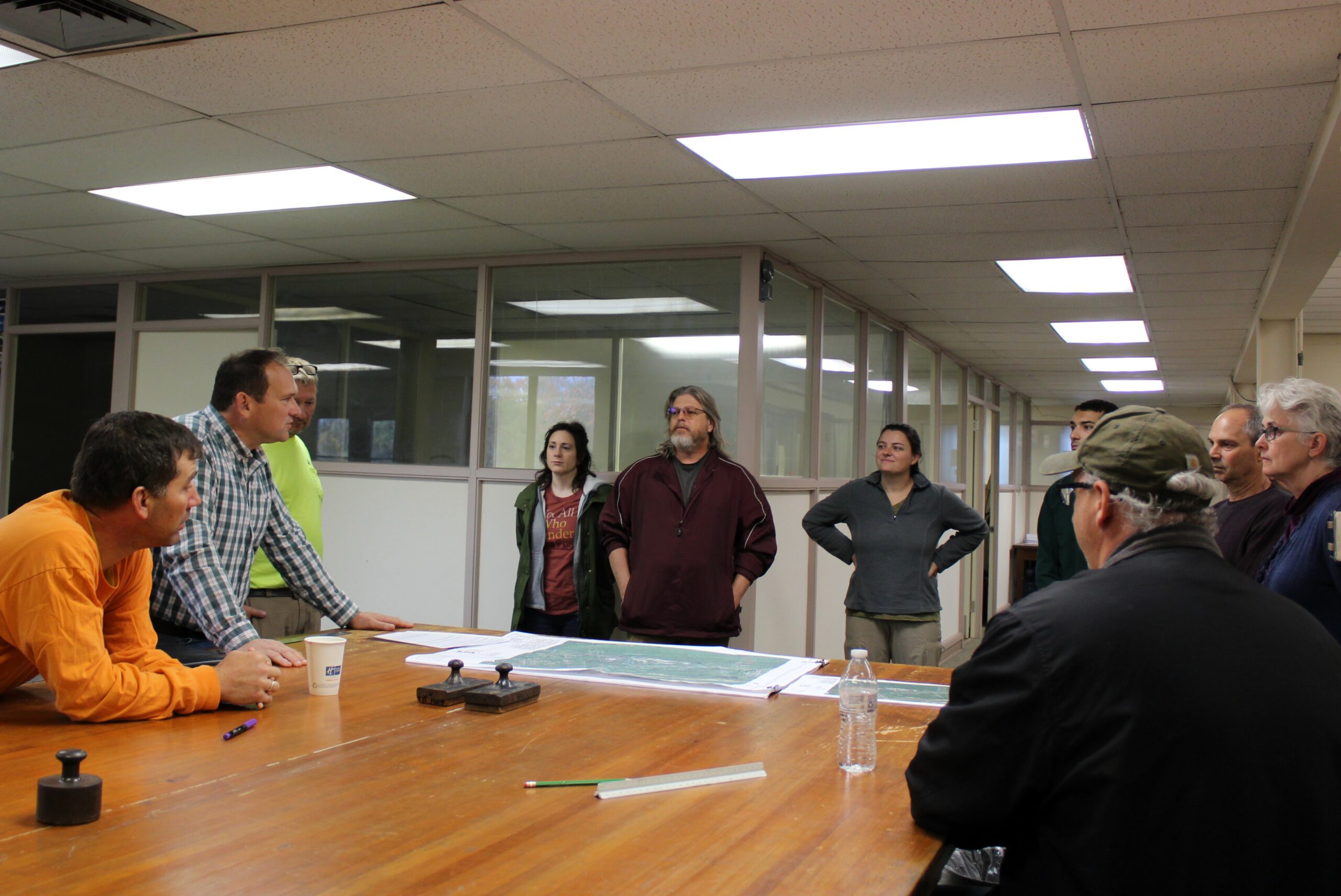
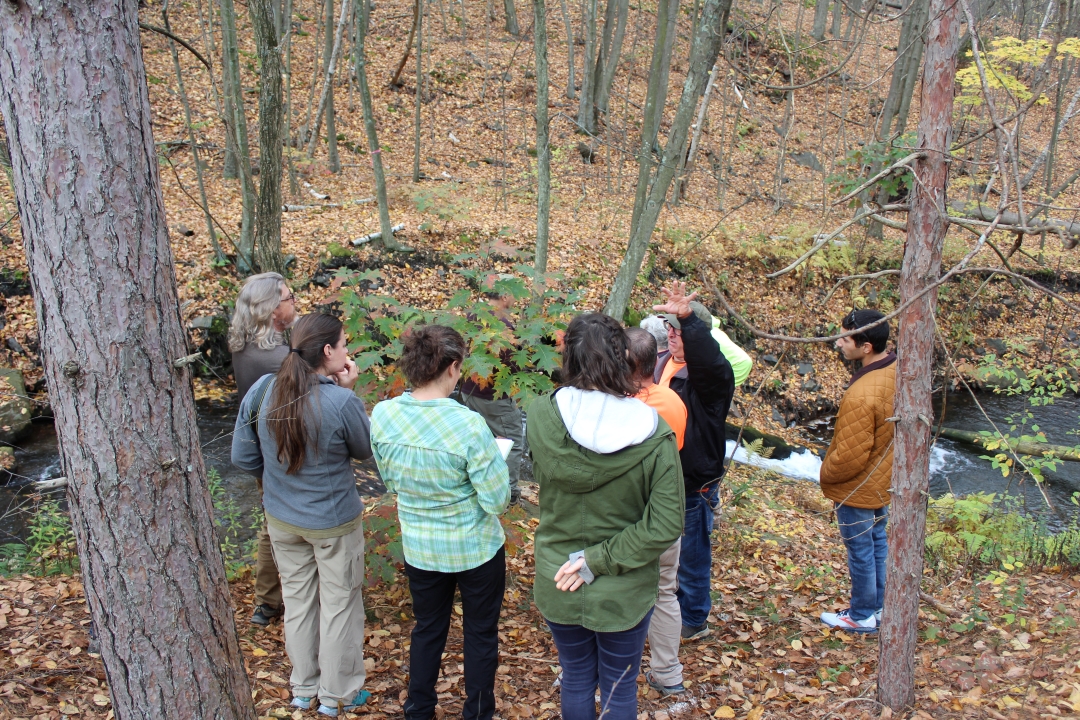
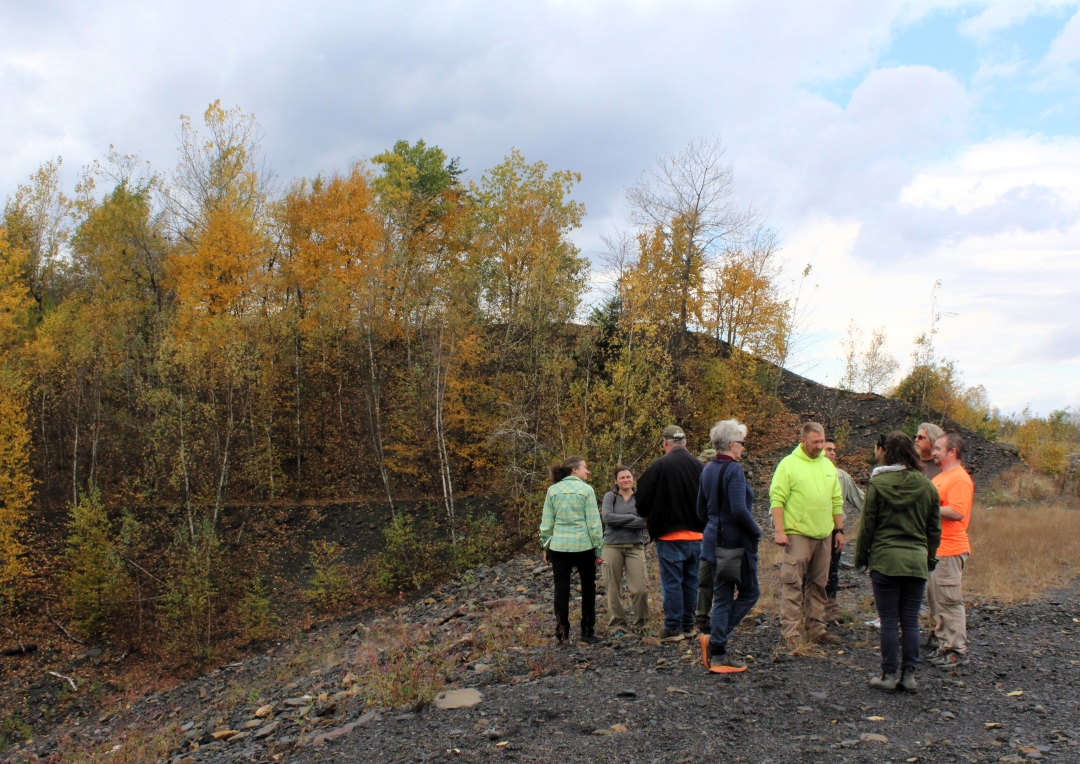
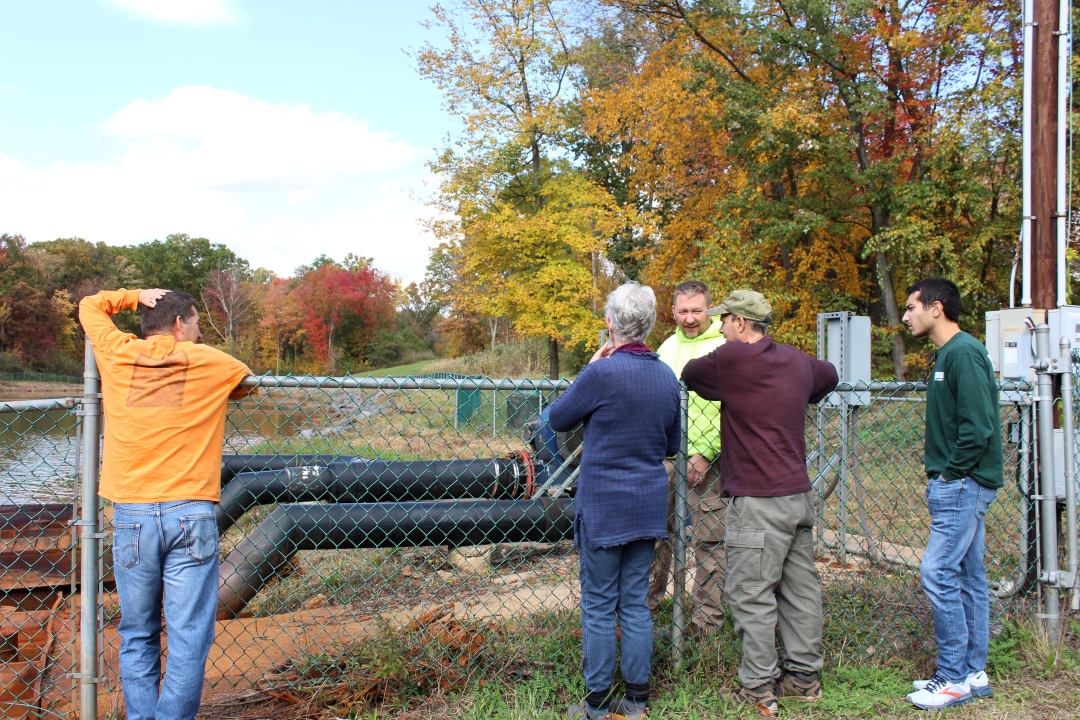
Images, from left to right: 1.) EC’s Terry Ostrowski, PE, talks to team from USGS about EC history and recent projects. 2.) EPCAMR’s Bobby Hughes talks about the Nanticoke Creek watershed along the upper reach of the Nanticoke Creek. 3.) Group visits the Truesdale Bank, where EC will undertake its next stream restoration project. 4.) EC’s Jason Tarnowski, PLS, demonstrates the oxidizer system at the Askam borehole acid mine drainage treatment facility.